HOME >> PRODUCTS >> MANUAL HOIST >> MANUAL LEVER HOIST
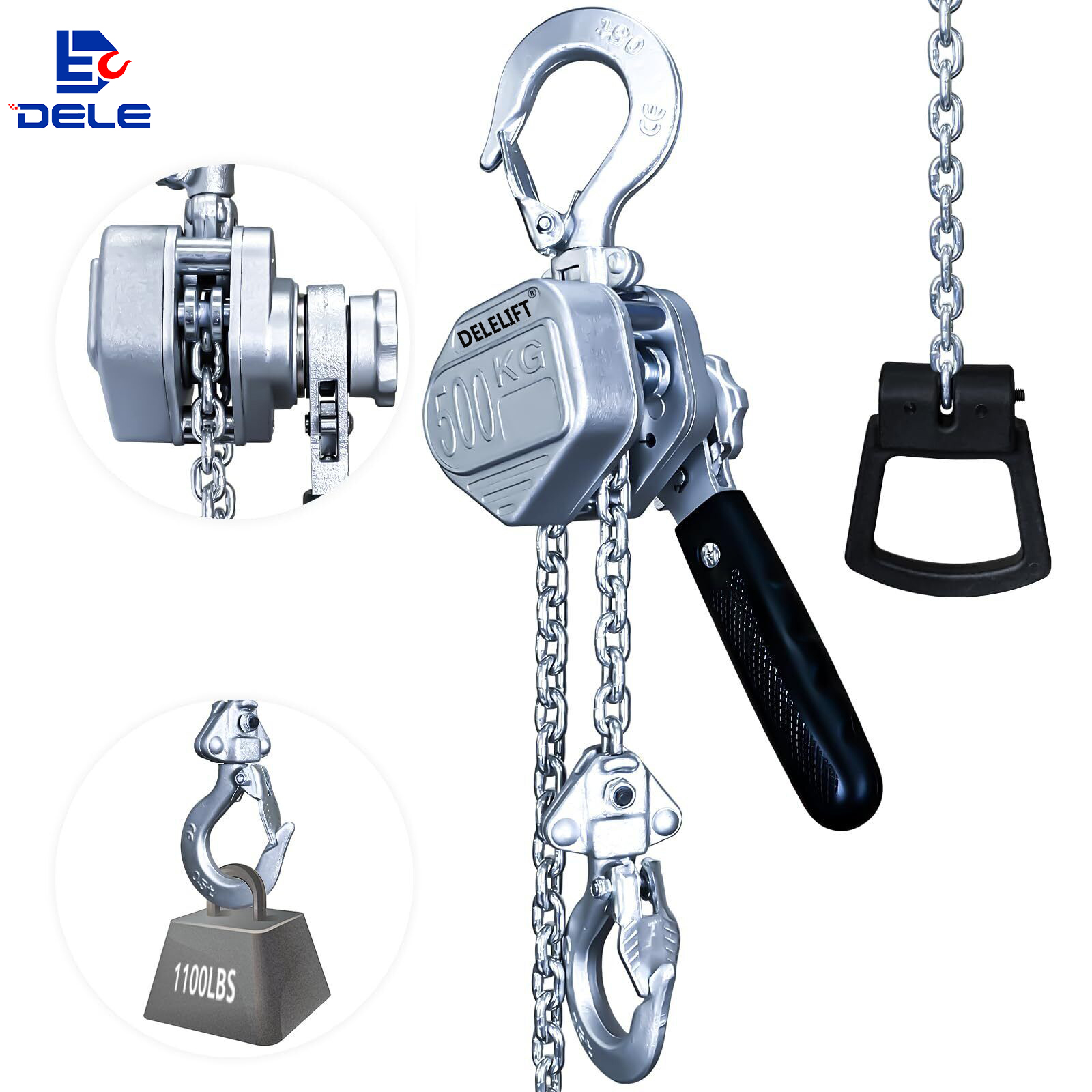
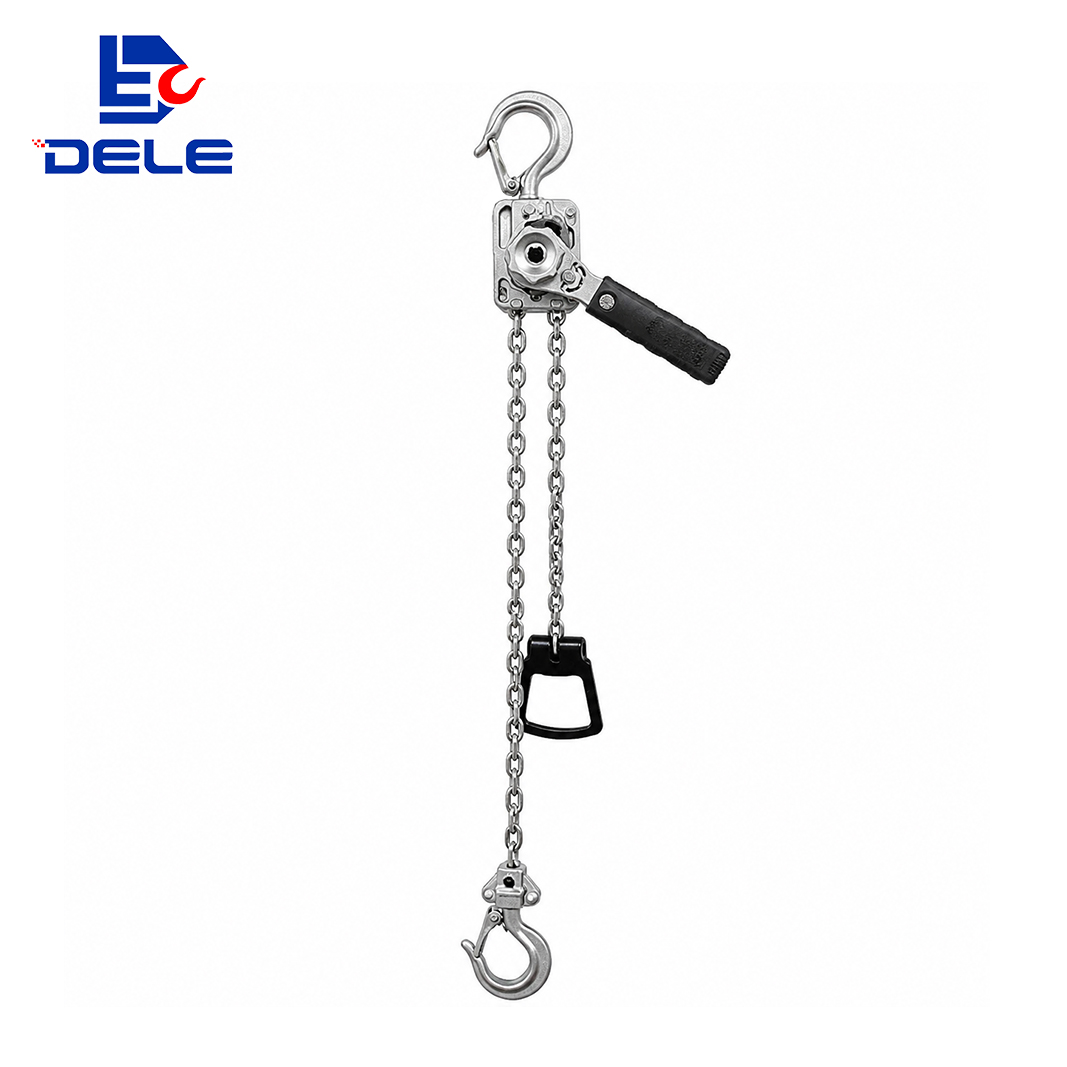
A high-strength aluminum alloy hand lever hoist that lifts, lowers, and pulls with a 6-gear reduction drive and double pawl braking — built for maintenance and rigging jobs that need lightweight, no-power lifting with smooth, reliable stopping, not just fixed-point operation.
The aluminum lever hoist, built to standard EN 13157, pairs a high-strength aluminum alloy shell with a compact frame design, delivering light weight without sacrificing strength. Its 6-gear reduction system keeps wrench force low and shortens the wrench length, while the double-pawl braking system ensures smooth, reliable braking. Available in 0.25 t, 0.5 t, and 0.75 t capacities with a complete kit, it is an ideal portable unit for lifting, pulling, and tensioning in narrow spaces, open air, and overhead places.
Its high-strength construction gives the hoist a service life exceeding 1500 EU standard fatigue tests — see the comparison below to confirm which capacity and chain length fit your job.
Made of high-strength aluminum alloy, the shell is lightweight yet durable, making the hoist easy to carry and operate.
The compact frame combines lightweight construction with high strength, providing reliable performance even in demanding working conditions.
The six-gear reduction system reduces the required operating force and allows for a shorter handle, making lifting and pulling easier and more efficient.
The double-pawl braking system provides smooth and reliable braking, while the hoist is designed to withstand more than 1,500 EU standard fatigue test cycles.
Not every lifting job needs power or heavy machinery. For lifting, pulling, or tensioning in confined spaces, outdoors, or at height, a lightweight aluminum lever hoist does the job at lower cost and with less maintenance — no wiring, no power source, no motor to service. It's built for exactly that: portable, dependable, all-angle operation.
Which aluminum lever hoist fits your job?For frequent moves between stations, the 0.25 t or 0.5 t model with kit is lightest to carry. In confined spaces, the 6-gear reduction version cuts wrench force and shortens the wrench. For more capacity without extra weight, the 0.75 t model balances strength and lightness — all built to EN 13157 with a service life exceeding 1500 EU standard fatigue tests.
Compare: DACompare: DLH
| Model | DLH-0.25T | DLH-0.5T | DLH-0.75T | ||
| Capacity load | (t) | 0.25 | 0.5 | 0.75 | |
| Standard Lift | (m) | 1.5 | 1.5 | 1.5 | |
| Effort required to lift max load | (N) | 190 | 240 | 290 | |
| Load chain specifications | (mm) | 3.2 | 4 | 5 | |
| Load chain Number of falls | 1 | 1 | 1 | ||
| Test Load | (kg) | 375 | 750 | 1125 | |
| Net weight | (kg) | 1.5 | 2.5 | 3.4 | |
| Gross Weight | (kg) | 1.7 | 2.8 | 3.8 | |
| Packing size | (cm) | 25*14*12 | 25*14*12 | 35*15*11 | |
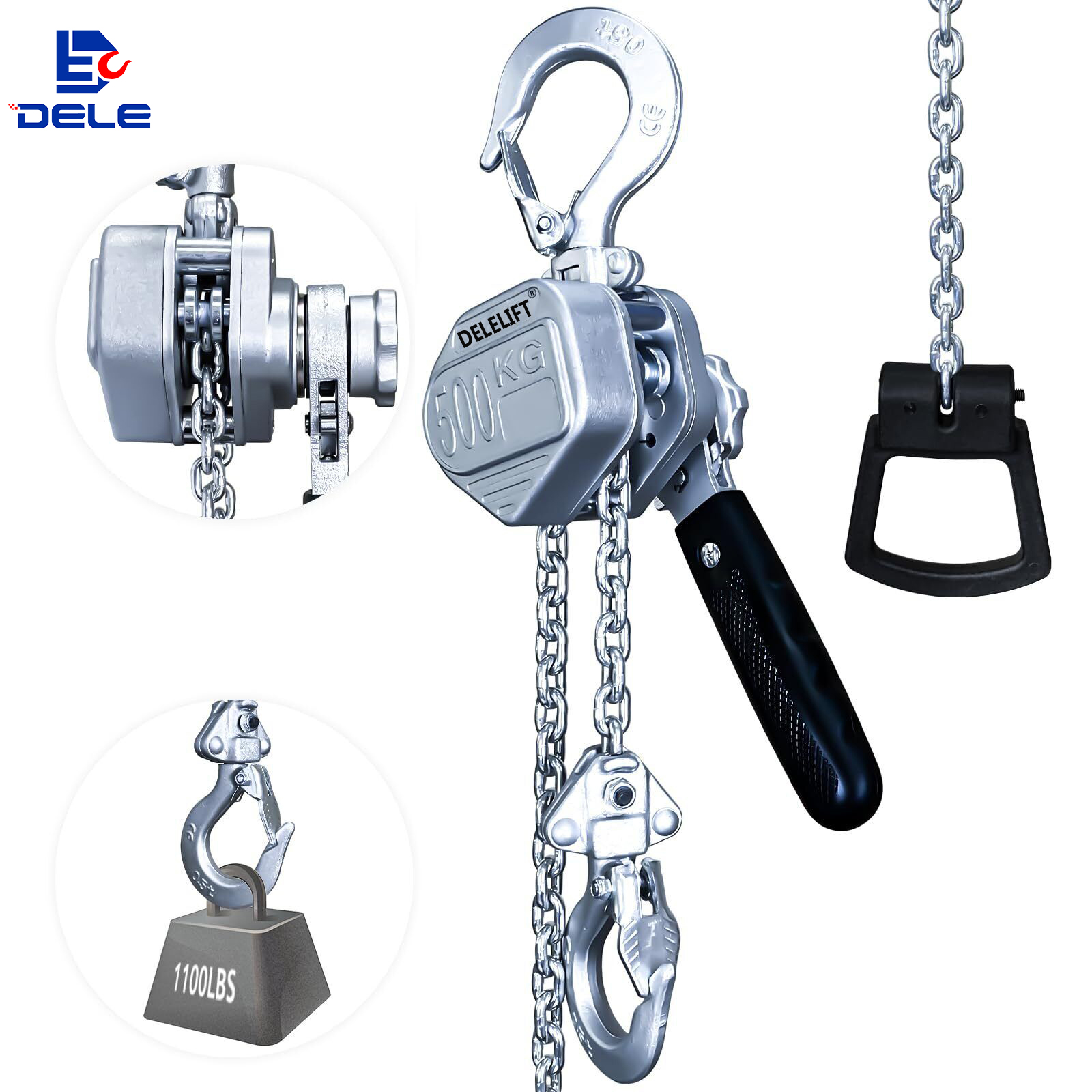
All dimensions in mm
| Model | a | b | c | d | e | f | g | s | t |
| DLH-0.25T | 87 | 68 | 200 | 145 | 55.5 | 35.5 | 21 | 32 | 11 |
| DLH-0.5T | 100 | 81 | 250 | 160 | 62.5 | 42 | 24.5 | 34.5 | 12 |
| DLH-0.75T | 105 | 92 | 260 | 180 | 64 | 42 | 28.5 | 35.5 | 15.5 |
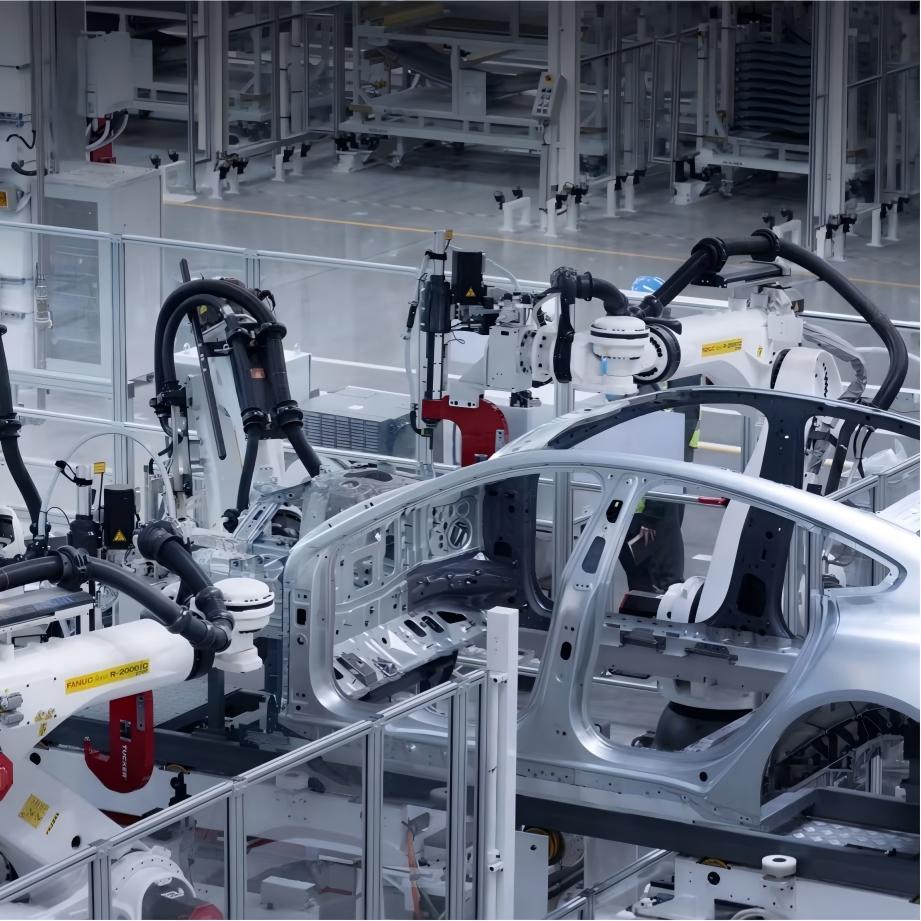
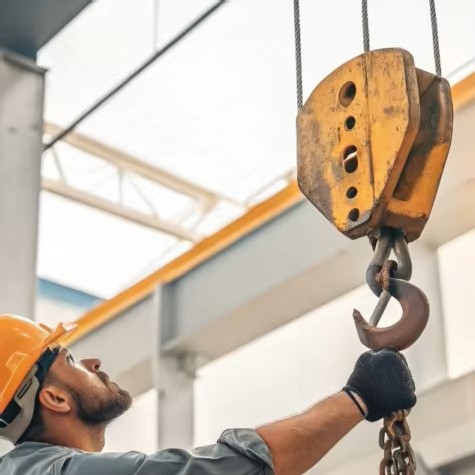
A hand lever hoist (also called a ratchet lever hoist) is a manually powered device that lifts, lowers, and pulls loads through a ratcheting lever mechanism. Choose it when you need portability, no power source, precise positioning, or horizontal pulling and tensioning — typical in maintenance, installation, rigging, and construction work.
First record the real maximum load at the job site, including slings and hooks. Rule of thumb: rated capacity ≥ actual load × 1.25. Then match the range: 0.25 t for light maintenance, 0.5 t for general installation, 0.75 t for heavier equipment. When in doubt, size up — never overload a hoist.
Weight and corrosion. The high-strength aluminum alloy shell makes the hoist lighter for frequent transport, high-altitude work, and confined spaces, and it resists moisture and corrosion outdoors. The trade-off: steel shells absorb extreme impacts better, so choose steel for harsh shock-loading applications.
It multiplies your hand force through six reduction stages, so less lever effort is needed and the handle can be shorter. In practice, that means less fatigue during long jobs and easier operation in tight spaces. When comparing models, ask for the stated operating force (in N) at rated load.
High-Strength Aluminum Alloy Shell
Compact And High-Strength Design
6-Gear Reduction System
Double-Pawl Braking System
Multiple Capacity Options
High Fatigue Resistance
What's the difference between an aluminum alloy lever hoist and a conventional steel lever hoist?
The aluminum alloy version uses a high-strength aluminum alloy shell and a compact frame design, making it significantly lighter and easier to carry — ideal for frequent transport, high-altitude work, and confined spaces. It also resists moisture and corrosion better outdoors. A steel housing is still preferable where extreme impacts are expected.
What capacities does the aluminum lever hoist come in?
Three ratings are available: 0.25 t, 0.5 t, and 0.75 t, each supplied with a matching kit. Choose the rating so that rated capacity ≥ actual load × 1.25 — never exceed the rated load.
What standard is it manufactured to?
It is made to EN 13157, the European standard Cranes – Safety – Hand powered lifting equipment, which covers lever hoists and requires automatic braking whenever the operating force ceases, in both lifting and lowering.
Why is the operating force so small?
The 6-gear reduction system multiplies your hand force through six stages, so less effort is needed and the handle can be kept shorter. The result is less fatigue during long jobs and easier operation in tight working areas.
How does the braking system work?
A double pawl braking system provides smooth, reliable braking. The hoist brakes automatically the moment you release the lever — in both lifting and lowering — for safe, controlled load handling.
Tell us your capacity, lifting height, and working‑condition requirements — we'll confirm the correct model and send pricing.
Request a Quote
Dele electrical(HANGZHOU) co.,ltd




 sales@delelifting.com

 +86-13868020452


